Controlling the Marine Reef Aquaria Pests Aiptasia pallida
By: Anna Dominique G. Mariano
It is well known that Aiptasia pallida, also referred to as glass anemones, are one of the most common pests found in saltwater aquaria, especially in reef tanks. It is quite easy for these anemones to infiltrate anyone’s tank or system; however, it is incredibly challenging to try to expel them as the conditions in a reef tank creates a perfect environment for A. pallida to thrive. These anemones also reproduce asexually through pedal reproduction, where the small regenerative portions are lost when it moves (Lehnert et al., 2012). This makes it futile to remove them manually as it can cause the unintentional spread of more glass anemones.
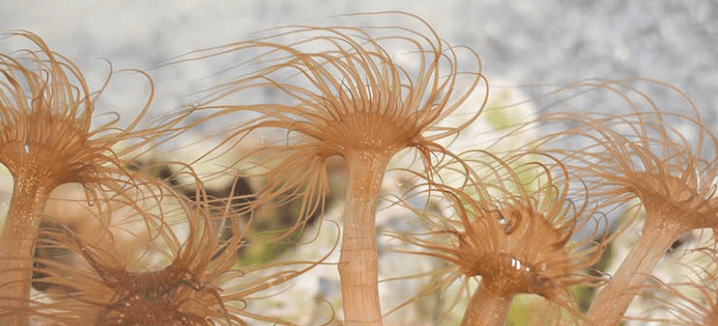
A. pallida can be removed chemically. One method is to inject the anemone disk with hydrogen peroxide. It is effective in killing the pest; however, the downfall to this method is that it must be done carefully as hydrogen peroxide is not the safest for other invertebrates in the tank. Another safer chemical method is to use Aiptasia-X by Red Sea.
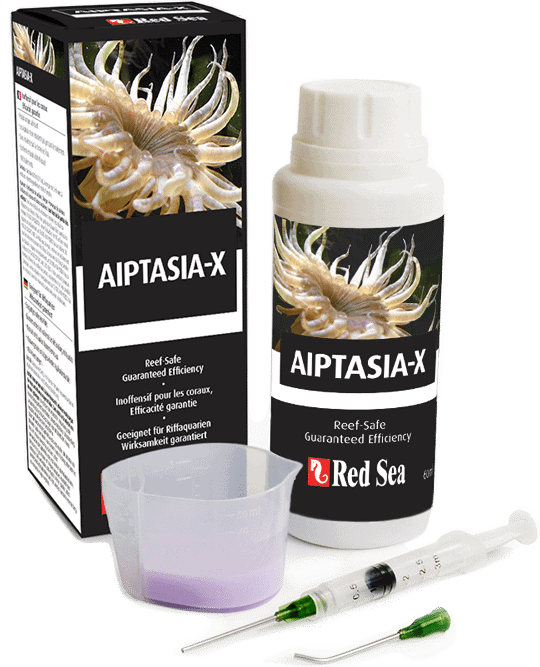
Aiptasia-X can be injected at the anemone oral disk, and it causes the anemone to ingest the liquid while preventing it from retracting (redseafish.com). Afterwards, the anemone will implode preventing it from spreading. This is a great way to safely remove A. pallida, as Aiptasia-X is reef safe and will not affect water chemistry. Aiptasia-X is the perfect solution for anemones that have grown near coral polyps.
It is beneficial to combine both chemical and biological removal of these pests as it is easy to miss smaller glass anemones.
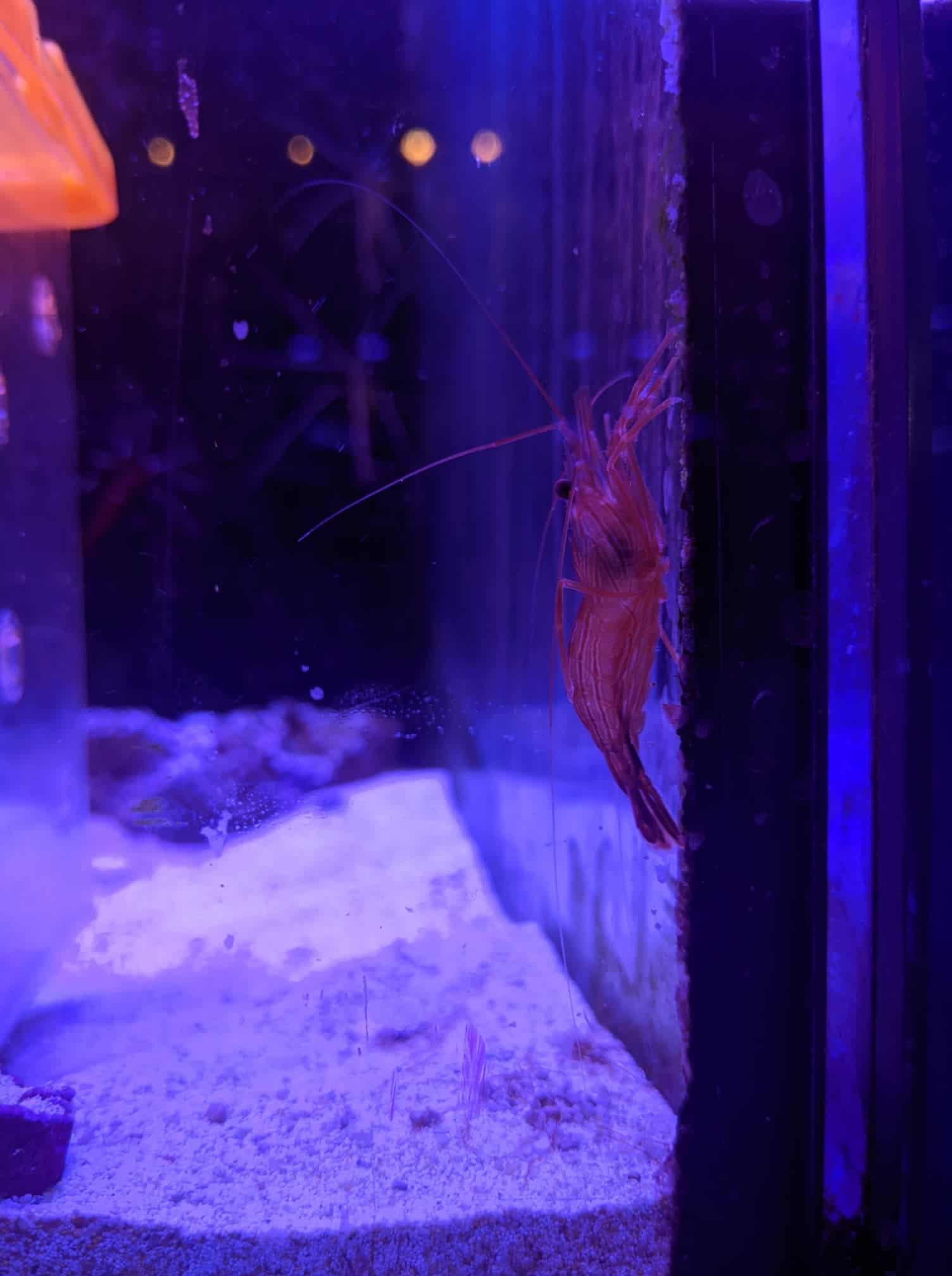
One of the most popular invertebrates to add to home aquaria for the control of A. pallida is the peppermint shrimp (Lysmata sp.).
Absolutely Fish
Many aquarists have found success of removing A. pallida through the addition of peppermint shrimp into their tanks. Peppermint shrimp are also reef safe; however, they are also opportunistic feeders and may try to “steal” food from corals.
The matted filefish (Acreichthys tomentosus) has also been known to eat A. pallida.
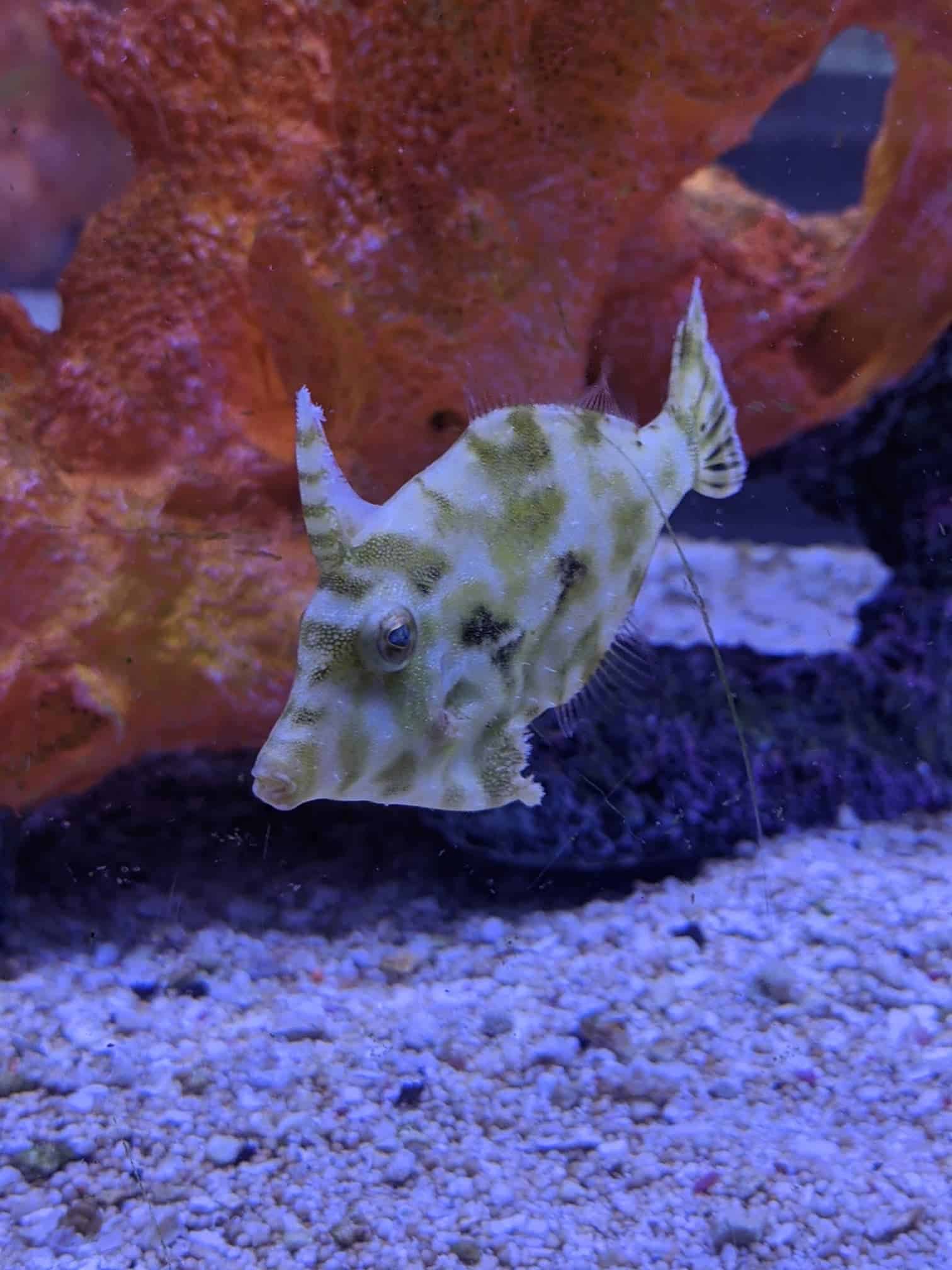
Photo by Anna Mariano
Absolutely Fish
The matted filefish is a great addition to a tank to rid it of glass anemones as they reach a max size of about 4 inches and are peaceful towards other fish. The do not specialize in only eating A. pallida and will consume pellets or frozen food. It may take some time before they develop a taste for the glass anemones in your tank, and in some rare cases some individuals will not even be interested eating the pest anemones. Another downside is that some hobbyists report that matted filefish may nip at corals.
Another possible fish to control pest anemones in aquaria is the copperband butterfly (Chelmon rostratus).
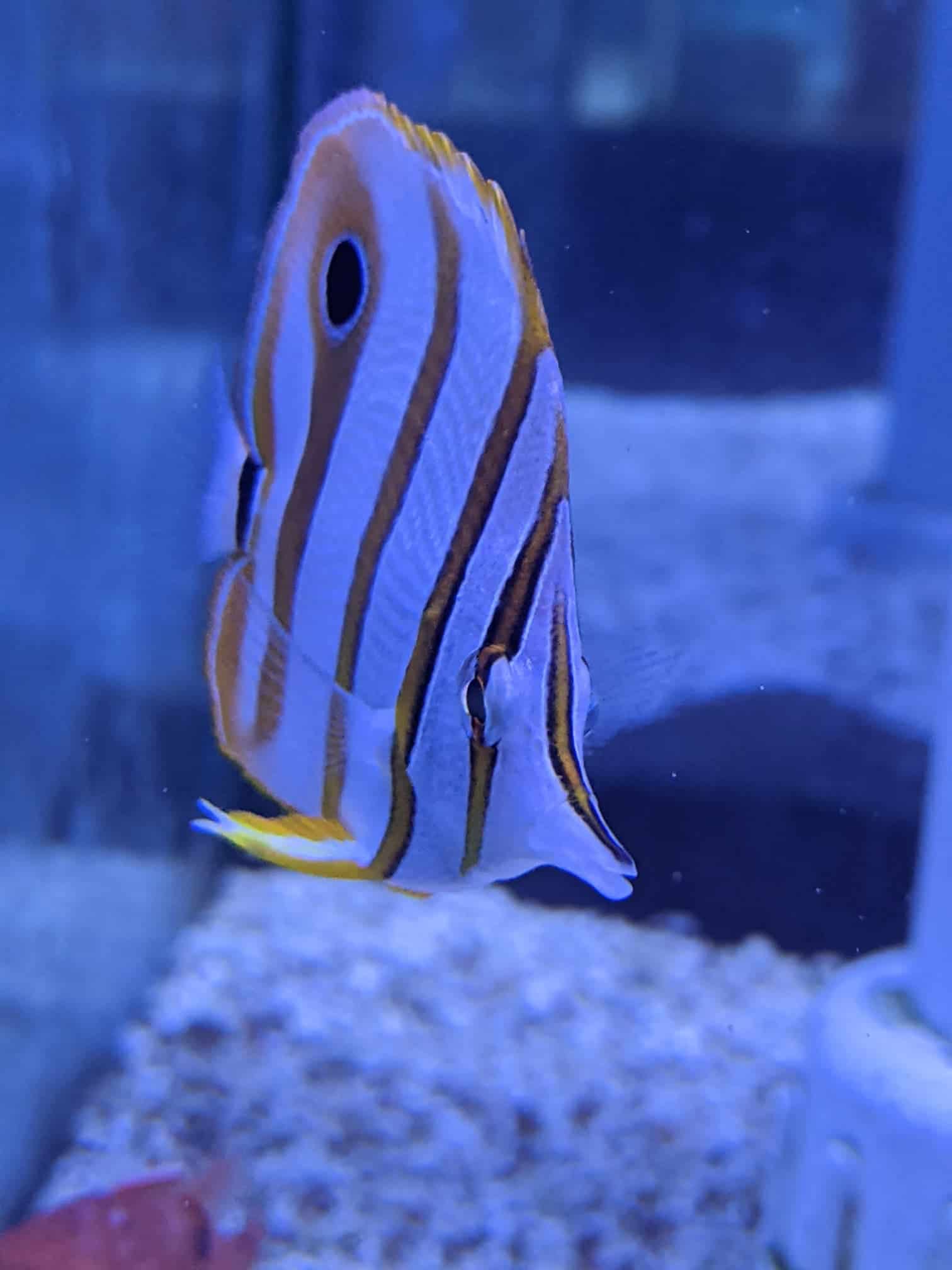
Photo by Anna Mariano
Absolutely Fish
Copperband butterflies are beautiful fish that can potentially assist in consuming A. pallida; however, there are also many potential downsides in using this fish solely for pest control. In captivity, copperband butterflies are known to be finnicky eaters and it may take extra work to try to get them to eat any glass anemones. This also makes them known for being notoriously difficult to keep in home aquaria. There is also a risk of copperband butterflies nipping at other invertebrates such as tube worms, clams, or other anemones.
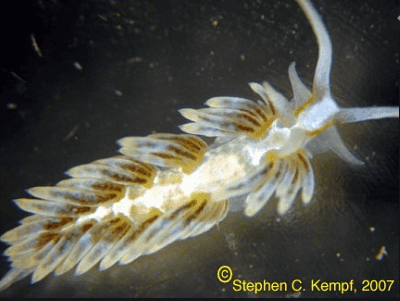
An effective invertebrate to use to consume A. pallida are Berghia nudibranchs (Berghia stephanieae).